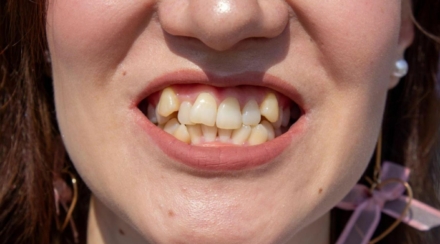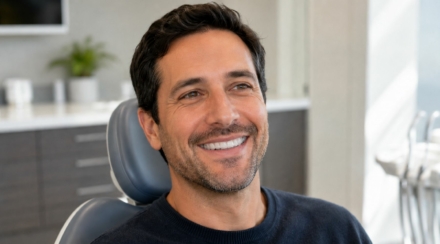

Orthodontic treatment is something many of us had as teenagers and then expected our smile to go the distance. However, in some cases we may need to consider orthodontic treatment again later in life. There are a lot of reasons your teeth may have shifted over time and if your smile has become crooked or your teeth are uneven again, you may need to have orthodontic treatment for a second time.
Teeth will naturally shift and change their position as we age, with varying effects on your smile, but here are some of the most common causes of shifting that we see:
- Not wearing your retainers as recommended can allow teeth to drift out of alignment over time. Retainers are designed to keep your teeth in their corrected positions after braces or aligner treatment. Whether you had a Hawley retainer, Essix retainer, or a permanent wire retainer, consistent wear is essential to maintain your results.
- Developing bad habits such as bruxism (chronic grinding of your teeth) or clenching due to stress.
- Suffering accidents, trauma or tooth loss.
- Having poor oral hygiene or gum disease.
Why Retainers Matter Long After Treatment
Teeth and bone naturally shift with age, and retainers are essential to slow this process. Even after successful orthodontic treatment, your teeth remain susceptible to movement throughout your lifetime.
There are several types of retainers for teeth, each designed for different needs. An Essix orthodontic retainer is a clear, removable tray similar to an aligner. A Hawley orthodontic retainer uses an acrylic base with a wire and is highly durable. A permanent retainer is a thin wire bonded behind your front teeth to prevent shifting. In some cases, adults may also need a dental plate or partial plate teeth appliance to replace missing teeth and maintain proper bite alignment.
Retainers are not a temporary device but part of lifelong orthodontic care. Many adults use a mouth retainer for night wear to maintain their results, and some Essix retainers can even double as whitening plates for cosmetic maintenance post-treatment.
Consistent retainer wear is the key to avoiding the need for a second round of treatment.
How to Decide If Further Treatment is Right for You
That really is up to you and the decision will probably be based mostly on how you feel about the way your teeth look when you smile. Having orthodontics for a second time might mean that you’ll only need a short course of treatment with clear aligners or partial braces for a few months to correct minor issues.
Make an appointment with an orthodontist to discuss what your options are and what the best course of treatment would be for the health of your smile.
After completing your second course of treatment, your orthodontist will create a personalised retainer plan to help you maintain your results permanently.
What If You’ve Lost or Damaged Your Retainer?
Lost or damaged retainers are a major cause of relapse. If you’ve misplaced your retainer or it’s broken, contact your orthodontist as soon as possible. They can take a new digital scan to create a replacement Essix retainer or Hawley retainer, or repair a permanent retainer wire if it has come loose.
Some adults who have experienced tooth loss over time may benefit from a dental plate to fill missing spaces and support proper alignment. Your orthodontist can assess whether a teeth plate is appropriate for your situation.
Acting quickly when a retainer is lost or damaged can prevent significant tooth movement and potentially avoid the need for comprehensive retreatment.
Adult Orthodontics Is More Common Than Ever
Whether you’re considering a second round of treatment due to retainer non-compliance or other factors, you’re not alone. These days, it’s not uncommon for parents to undergo treatment alongside their child; often orthodontic treatment just wasn’t an option when patients were teens, be it due to the cost or lack of accessibility. Additionally, parents see first-hand the great results that can be achieved with treatment and decide to undergo treatment themselves.