As a parent, knowing when to act on your child’s dental development and who to see can feel uncertain. Orthodontic problems caught early are often much simpler to manage than the same problems addressed later. This guide walks you through the process from first assessment to the end of treatment, so you know what to expect at each stage.
NZAO specialists: All NZAO members are registered specialist orthodontists who have completed two to three years of full-time postgraduate training after their dental degree. This specialist qualification is what separates them from general dentists offering orthodontic services.
When to Seek an Assessment
The recommended age
The NZAO recommends that children have an initial orthodontic assessment at around age eight. At this age, most children have a mix of baby and permanent teeth, giving a specialist orthodontist a clear picture of how the teeth and jaw are developing. This timing aligns with international guidelines from the American Association of Orthodontists and reflects the NZAO’s own published guidance (orthodontists.org.nz).
An assessment at age eight does not mean treatment begins at age eight. For many children, the outcome is simply a monitoring plan, with treatment starting later at the most effective point in their development. The value of early assessment is that problems can be identified while there is still time to manage them simply, sometimes avoiding more complex intervention in the teenage years.
Signs to watch for
You do not need to wait for a scheduled assessment if you notice any of the following:
- Difficulty biting or chewing
- Mouth breathing rather than nasal breathing
- Early or late loss of baby teeth
- Crowded, misplaced, or blocked permanent teeth
- A jaw that shifts, clicks, protrudes, or appears recessed
- Teeth that do not meet properly, or do not meet at all
- Thumb or finger sucking beyond age six
- Frequent accidental biting of the cheek or roof of the mouth
If any of these are present, book an assessment promptly. The sooner a specialist reviews the situation, the more options are available.
No referral is needed
You can book directly with any NZAO member specialist orthodontist without a referral from a dentist or GP. Alternatively, your child’s school dental clinic may identify a potential issue and send a note home recommending an orthodontic review.
The Initial Consultation
What happens at the appointment
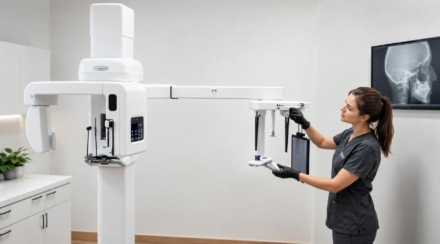
The first consultation involves a thorough examination of your child’s face, teeth, and bite. The specialist orthodontist will assess jaw development, tooth alignment, and how the upper and lower teeth meet. Depending on what the clinical examination shows, they may take a panoramic X-ray, known as an OPG, which provides a full view of all teeth including those still developing beneath the gums. A lateral Cephalogram radiograph may also be required to assess and help with the management of any underlying jaw problems. Digital scans or photographs may also be taken.
By the end of the appointment, you will have a clear understanding of whether treatment is needed now, whether monitoring is the appropriate approach, or whether there is no concern at this stage. If treatment is recommended, the specialist will explain what they have found, what the options are, what each involves, and what it is likely to cost.
Treatment planning
Treatment recommendations are based on your child’s specific development, not a one-size-fits-all approach. The specialist draws on their diagnostic records alongside their clinical training to determine which option will deliver the most effective and stable result. They will advise on timing, expected duration, likely outcomes, and the relative merits of different approaches, whether that is braces, a plate or a functional appliance, or a period of monitoring before active treatment begins.
What to ask: At the first appointment, ask your specialist what happens if treatment is delayed, what the retention plan looks like at the end, and whether the quoted fee includes all phases of treatment including retainers.
Starting Treatment
Before the first fitting
Once you decide to proceed, there may be a short wait while custom appliances are manufactured. For fixed braces, the fitting appointment typically takes around an hour. The specialist and their team will bond individual brackets to each tooth and connect them with an archwire. Placement is precise and the process itself is not painful, though your child may experience some mild soreness over the following few days as the teeth begin to respond to the new pressure.
Home care from day one
Good oral hygiene becomes more important, not less, once orthodontic appliances are in place. Brackets and wires create additional surfaces where plaque accumulates. At the fitting appointment, the specialist will demonstrate how to brush and floss effectively around the appliances, and your child should follow this routine after every meal.
Diet matters too. For the first few days after a new fitting or adjustment, soft foods are more comfortable: soups, yoghurt, pasta, and similar options. Throughout the entire treatment period, hard and sticky foods should be avoided. Things like whole apples, crusty bread, nuts, chewy lollies, and muesli bars can dislodge brackets and bend wires, which means unplanned appointments and, in some cases, delays to treatment and extra costs.
Sport and physical activity
Children in contact sports should wear a mouthguard throughout treatment. Standard mouthguards do not fit well over braces. Ask your specialist to recommend or provide a mouthguard designed for use with fixed appliances.
What to Expect During Treatment
Review appointments typically occur every six to twelve weeks. At each visit, the specialist checks progress, adjusts the archwire, and replaces elastics as needed. These appointments are generally brief. Some mild discomfort for a day or two after each adjustment is normal and usually managed with over-the-counter pain relief if needed.
Treatment duration varies considerably depending on the nature of the problem, the chosen appliance, and how your child’s teeth and jaw respond. Many straightforward cases complete within 12 to 18 months. More complex cases may take longer. Your specialist will give you a realistic estimate at the planning stage and update you if anything changes.
If a bracket comes loose or a wire breaks, contact the practice promptly. Minor breakages are common and do not usually require emergency treatment, but they do need to be attended to so that progress is not lost.
After Treatment: Retention
When active treatment ends, retainers begin. This phase is not optional. Teeth have a strong natural tendency to move back toward their original positions, driven by the surrounding gum fibres, jaw growth, and normal dental wear. Without consistent retainer wear, some relapse is likely regardless of how well treatment went.
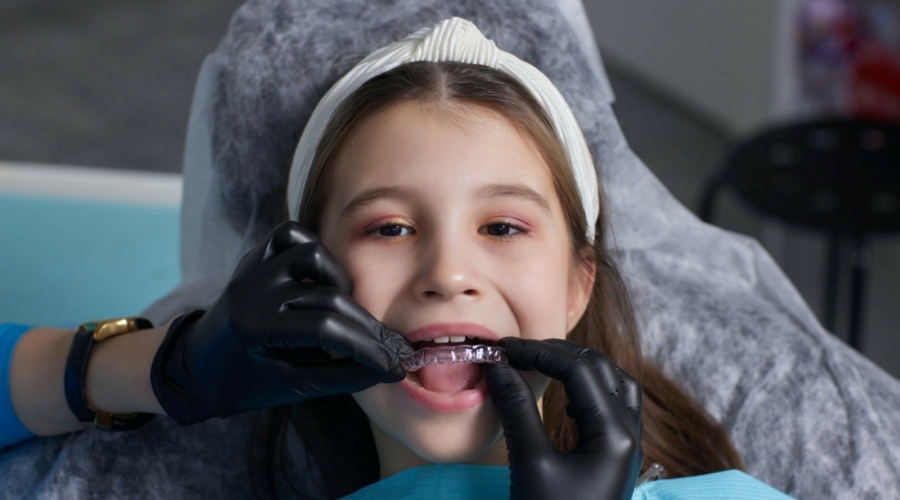
Most children receive a fixed retainer bonded to the back of the front teeth or a removable retainer for night-time wear, or both. The fixed retainer provides continuous passive support. The removable retainer acts as a backup and allows the specialist to monitor the result over time. Both serve a purpose.
Retainer wear is a long-term commitment, typically for life on a night-time basis after the first few months. This is worth discussing with your child before treatment ends so that expectations are clear.
Choosing the Right Specialist
Not all providers offering orthodontic treatment hold specialist registration. General dentists can offer orthodontic services, and some do so competently for straightforward cases. However, for children, whose treatment involves managing jaw development, growth timing, and multi-phase planning, the training and experience of a registered specialist orthodontist is the gold standard of care. The right treatment does not necessarily cost more money. The important thing is for the specialist to diagnose the case correctly and ensure there is high treatment efficiency.
NZAO members have completed a dental degree followed by a dedicated three-year postgraduate qualification in orthodontics. They are registered with the Dental Council of New Zealand as specialists and are committed to ongoing professional development. When you choose an NZAO member, you are choosing a practitioner whose qualifications in orthodontics have been formally assessed and verified.
Frequently Asked Questions
No. An assessment at age eight is recommended because it gives the widest range of options, but effective orthodontic treatment is very common between the ages of 10 and 18. Most full orthodontic treatment, including braces, takes place during this period once the permanent teeth have come through. If your child has not yet been seen, book an assessment now rather than waiting further.
Not necessarily. Some children are assessed and simply monitored until a better time to start. Others need no treatment at all. The purpose of the assessment is to get an accurate picture of what is happening, not to commit to treatment. Your specialist will be clear about what is and is not needed.
Some orthodontic problems are primarily functional, affecting how the teeth clean, how the bite works, or how the jaw develops. Others are largely cosmetic. Both are valid reasons to seek treatment, and your specialist will explain honestly what the consequences of leaving the problem unaddressed are likely to be. That conversation is what the initial assessment is for.
School dental clinics provide general dental care and are well placed to spot developing orthodontic problems and recommend a specialist assessment. Orthodontic treatment itself, particularly for anything beyond very simple tooth alignment, falls within specialist scope. If the school clinic suggests a referral, it is worth acting on it.
Compliance affects outcomes in orthodontics. Removable appliances only work when worn, and aligners require 20 to 22 hours of daily wear to stay on schedule. Despite fixed braces being stuck onto the teeth, they also require strict compliance with diet and cleaning. If compliance is a concern, discuss it with your specialist early. They can advise on which treatment type is most suitable given your child’s habits and motivation.
This article is provided for public education and does not constitute individual clinical advice. Please consult a registered specialist orthodontist for assessment and treatment recommendations.