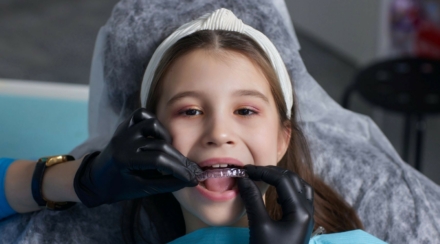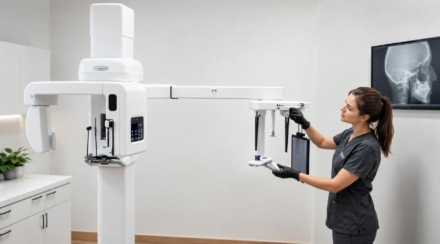
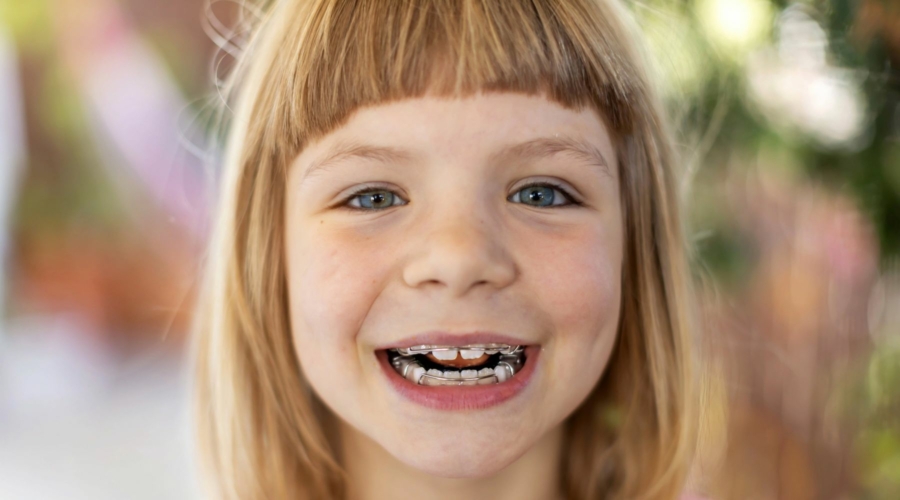
The idea of having a tooth removed before orthodontic treatment can be worrying for parents, but the reality is reassuring. The majority of children who need braces will never require an extraction at all. Modern techniques give orthodontists more options than ever to create a healthy, straight smile without the need to remove permanent teeth.
Understanding when extractions may be necessary, and why, helps you make confident, informed decisions about your child’s care.
Do Children Need Teeth Pulled Out for Braces?
Most children do not. Extraction rates have declined significantly over recent decades as orthodontic techniques have improved. These days, around 25% of cases require extractions.
Where extractions do occur, rates vary widely depending on the severity of crowding or bite problems, the timing of treatment, and the individual patient’s needs. Children have a real advantage over adults here: their bones are still developing, which means an orthodontist can often utilise jaw growth to avoid the need to extract teeth. This is one of the reasons to seek an early orthodontic assessment.
Permanent tooth removal is irreversible, and qualified orthodontists treat it as a last resort. If extraction of a permanent tooth is recommended for your child by your orthodontist, and you feel unsure, seeking a second opinion from another registered specialist orthodontist is entirely appropriate.
Dentist or Orthodontist – What’s the Difference? Learn more here.
When Is Extraction Actually Necessary?
Orthodontists base extraction decisions on specific clinical findings. The most common reasons are:
- Severe crowding. When the jaw is too small to accommodate all permanent teeth in proper alignment, teeth overlap, rotate, or erupt at awkward angles. Removing a premolar on each side can create the space needed when crowding cannot be resolved any other way.
- Significant bite problems. Overbites, underbites, and crossbites sometimes require extraction when the teeth cannot be brought into alignment otherwise.
- Protruding front teeth. Teeth that extend too far forward may lack adequate lip coverage, causing difficulties with speech, chewing, and jaw comfort. Where upper front teeth protrude significantly, premolar extraction allows them to be moved into the correct position — left uncorrected, protrusion affects both function and appearance, and increases the risk of dental injury.
- Impacted or blocked teeth. When a permanent tooth cannot emerge due to a lack of space, removing another tooth may be the most effective solution. Impacted canines are a common example.
- Extra teeth. A small number of children develop supernumerary (extra) teeth that may need removal to allow normal development.
- Heavily filled teeth. Sometimes heavily filled teeth are extracted as part of an orthodontic treatment plan, which then removes the need for long-term restorative maintenance and the cost often associated with keeping a compromised tooth.
- Significant jaw mismatch. Sometimes extractions are indicated if jaw surgery would otherwise be the ‘ideal’ treatment option. Strategic extraction patterns can allow an orthodontist to move teeth to achieve a good bite and smile by ‘camouflaging’ a jaw mismatch.
Premolars are the teeth most commonly chosen when extraction is necessary. Their position between the front and back teeth allows space to be redistributed effectively without compromising chewing function.
Non-Extraction Alternatives
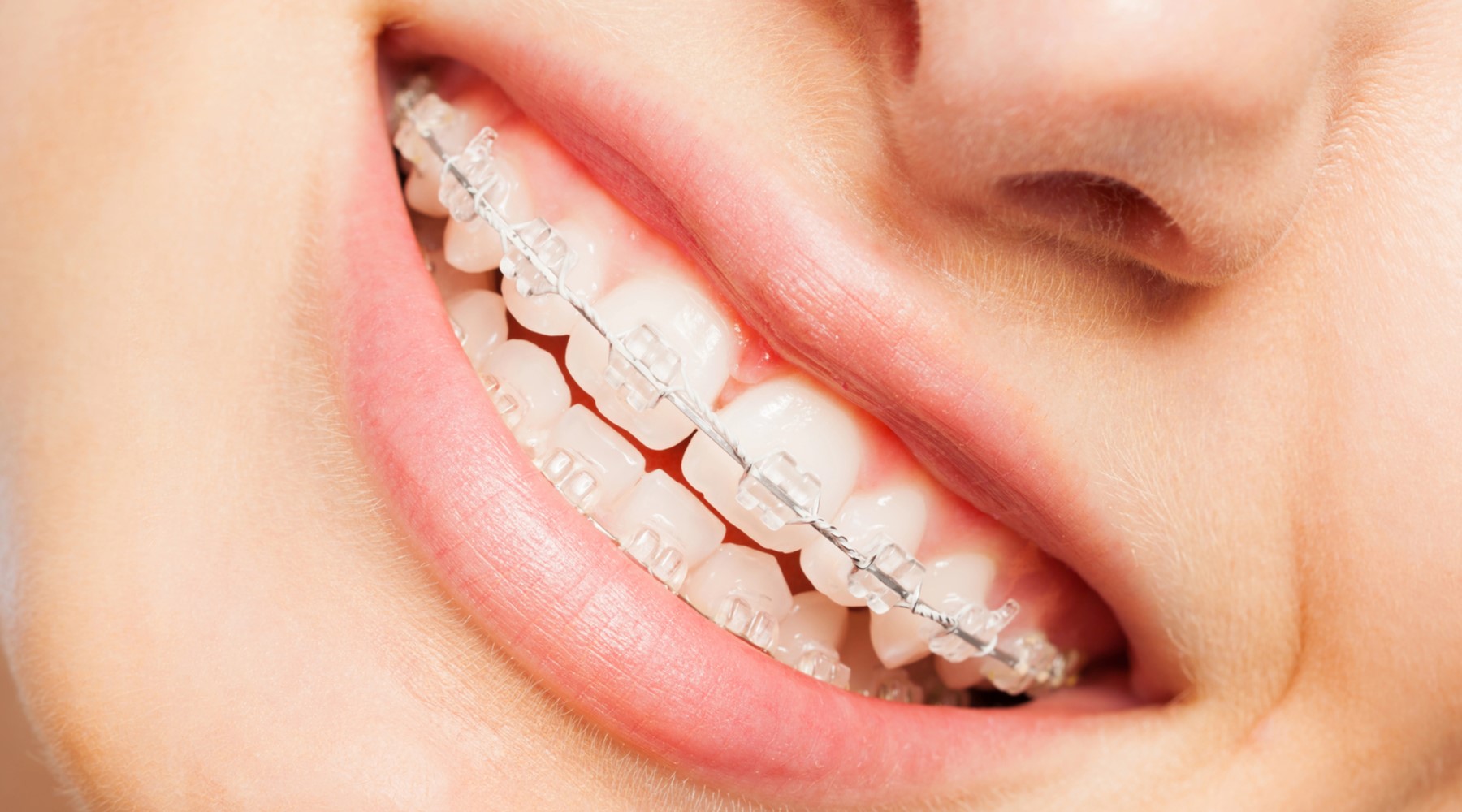
Before recommending extraction, your orthodontist will explore whether space can be created by other means. Common non-extraction approaches in children include:
- Expansion. Expansion of the dental arches can create space for some patients, but this is not appropriate for everybody, and there are limitations as to how much space can be created this way.
This means that for many people with more severe crowding, extractions may be inevitable to get the best and most stable result. When straightening severely crowded teeth without extractions, there is a risk that the teeth will be pushed outside the bone, leading to loss of bone and gum support for the teeth. - Interproximal reduction (IPR). Carefully removing small amounts of enamel from between teeth to create modest space. Suitable for mild crowding.
- Functional appliances. Devices that guide jaw growth and improve the relationship between upper and lower teeth, particularly effective when treatment begins during the growth years.
- Palate expanders. A custom-fitted device that gradually widens the upper jaw by applying gentle pressure. They are used primarily to correct posterior crossbites (crossbites of the back teeth) but have a secondary effect of relieving mild crowding of the teeth as well. Because children’s palatal bones have not yet fully fused, this can create room for teeth to align naturally and may be suitable when crowding is mild. The American Association of Orthodontists notes that appropriate expansion therapy can, in some cases, help avoid extraction entirely.
The British Orthodontic Society cautions that any claim that treatment can always be completed without extractions, especially before a proper assessment, should be treated with scepticism. The goal is the best long-term outcome for your child.
Why Early Assessment Matters
The NZAO recommends that children have their first orthodontic assessment around age eight or as soon as you notice something wrong with your child’s bite or smile. This is in line with guidance from other orthodontic associations around the world. This does not mean treatment will begin then, as most children will simply be monitored. But identifying developing problems while the jaw is still growing opens up more options, including non-extraction approaches that may not be available later.
Orthodontics Australia notes that for most patients, there may be no need for extraction, but the earlier you seek an assessment, the more choices your orthodontist will have.
Understanding the Extraction Process
When extraction is necessary, most procedures are completed in a single appointment. Local anaesthesia ensures your child feels no pain during the removal. Sedation may also be offered if your child is particularly anxious about having teeth extracted. Fully erupted teeth are removed with specialised forceps; impacted or partially erupted teeth may require an Oral Surgeon to use a minor surgical approach where the gum is gently opened to access the tooth and bond an attachment to bring the tooth into position.
Your child will typically need about two weeks to heal before braces are fitted, though this may be longer in more complex cases.
Recovery at home:
- Use prescribed or over-the-counter pain relief as directed
- Apply cold compresses in 15-minute intervals to reduce swelling
- Offer soft foods such as yoghurt, mashed potato, smoothies and soup
- Avoid straws for at least 24 hours to protect the healing blood clot
- Brush gently, avoiding the extraction site initially
- Contact your provider if you notice persistent bleeding or worsening pain after 48 hours
Conclusion
For most children, a straight, healthy smile is achievable through braces alone. When extraction is recommended, it is always based on clear clinical need — not routine protocol. And with the right specialist and the right timing, many families find there are more options available than they expected.
The best way to understand what your child actually needs is to ask. An NZAO-registered orthodontist can assess your child’s individual situation, explain all available options, and help you make a decision you feel confident about.
Getting Started: A Guide for Parents. Click here for your step-by-step guide to getting started with orthodontic treatment for your child.
Frequently Asked Questions
No. Most children do not need permanent teeth removed. Extraction is only recommended when specific conditions, such as severe crowding or significant bite problems, cannot be resolved by other means.
A palate expander gradually widens the upper jaw while the palatal bones are still developing, and is used primarily to correct posterior crossbite and secondarily to create space for teeth to align naturally. It is most effective before the mid-teenage years. Your orthodontist will assess whether it is suitable for your child.
Around age eight, or as soon as you notice something wrong with your child’s bite or smile. This does not mean treatment will start then — it simply ensures developing issues are caught early, when they are often easiest and least invasive to address.
Their position between the front and back teeth makes them the most practical choice when space needs to be created. Removing them allows redistribution of space throughout the arch without affecting chewing ability.
No. Local anaesthesia numbs the area completely. Any post-procedure soreness is usually manageable with standard pain relief, and most children recover well and are able to be back at school the next day.
Typically, around two weeks, though this may vary for more complex cases. Your orthodontist will confirm the timeline as part of your child’s treatment plan.
If teeth are straightened when there is too much crowding, then the teeth can be pushed beyond biological limits. Teeth can be pushed out of the supporting bone and there can be gum loss around teeth. Teeth can also become too protrusive and stick out. This could make them unsightly or make it hard to close the lips together. Extractions are usually only recommended to you by your orthodontist to avoid adverse effects that may occur if you were to proceed with a non-extraction orthodontic plan.