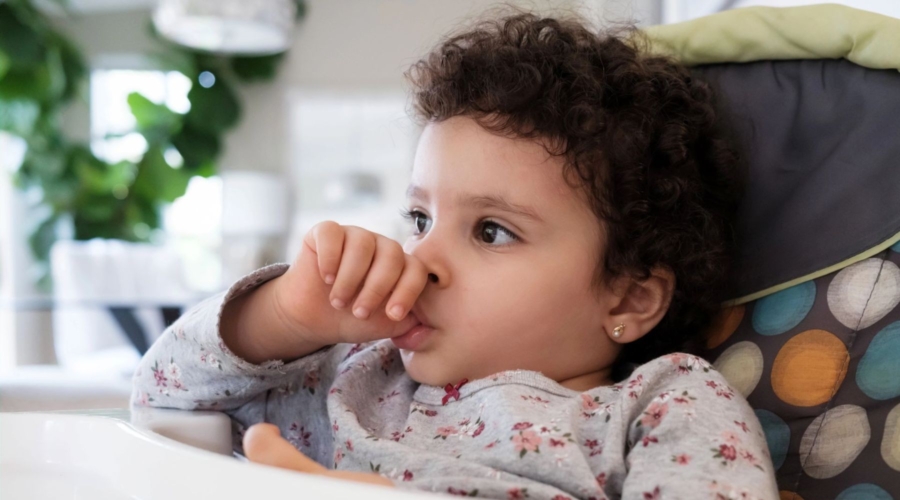
Thumb and finger sucking are common childhood habits, particularly in babies and younger children. For many children, the habit stops naturally and causes no lasting orthodontic problems.
However, when thumb or finger sucking continues as the permanent teeth begin to erupt, the repeated pressure can affect the position of the teeth and the way the upper and lower teeth meet. One of the changes we commonly see is an anterior open bite, where the upper and lower front teeth do not meet when the back teeth are together.
Parents often want to know whether this type of open bite will correct itself once the habit stops, or whether orthodontic treatment will be needed.
The answer depends on several factors, including your child’s age, how long the sucking habit has continued, whether the habit is still active, and whether the open bite is mainly related to the habit or also influenced by the child’s underlying jaw growth.
What Is an Open Bite?
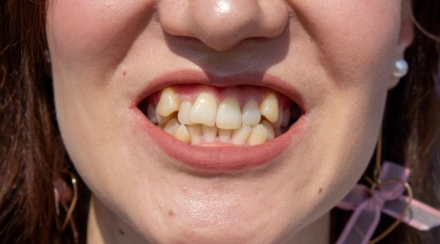
An open bite occurs when some of the upper and lower teeth do not meet when the mouth is closed. With an anterior open bite, there is a visible space between the upper and lower front teeth even though the back teeth may be touching.
Open bites can develop for several reasons. In children, persistent thumb or finger sucking is one recognised cause, but an open bite can also be associated with the way the jaws grow. This means we should not assume that every open bite in a child who sucks their thumb has been caused entirely by the habit.
An orthodontic assessment helps us determine what is contributing to the problem.

How Can Thumb Sucking Cause an Open Bite?
A thumb or finger held between the upper and lower front teeth can interfere with the normal eruption and position of those teeth. The effect depends on how the child sucks their thumb or finger, how often they do it, how long the habit lasts each day, and how many years it continues.
Thumb and finger-sucking habits can be associated with several characteristic changes, including protruding upper front teeth, increased overjet, anterior open bite and posterior crossbite.
Recent research found longer-duration habits were associated with greater risk than shorter-duration habits. This does not mean every child who sucks their thumb will develop an open bite. The duration and pattern of the habit matter.
Will an Open Bite Correct Itself When Thumb Sucking Stops?
Sometimes it will. This is one of the most important reasons not to assume that orthodontic treatment is immediately necessary.
When the sucking habit stops while a child is still young and their teeth and jaws are continuing to develop, the front teeth may move and erupt towards a more normal relationship without active orthodontic treatment.
This means it is reasonable to allow time for improvement in selected children after the habit stops, rather than assuming braces or another appliance are immediately required. However, spontaneous improvement cannot be guaranteed.
Can an Orthodontist Treat an Open Bite Caused by Thumb Sucking?
Yes, if the open bite persists and treatment is necessary, orthodontists have several ways of managing it.
The appropriate approach depends on:
- Whether the sucking habit has stopped
- Your child’s age and dental development
- How large the open bite is
- Which teeth are involved
- Whether there is also a crossbite or increased overjet
- The position of the tongue and surrounding soft tissues
- How the upper and lower jaws are growing
- Whether the open bite is mainly dental or has a significant skeletal component
Treatment might range from simply monitoring the bite after the habit stops to using an orthodontic appliance, bracesm or another form of orthodontic treatment.
You can learn more about the different types of orthodontic treatment options available for children and teenagers.
Can Thumb Sucking Cause Other Orthodontic Problems?
Yes. Persistent thumb or finger sucking can affect more than the vertical relationship of the front teeth.
Depending on the nature and duration of the habit, we may also see the upper front teeth become more prominent, an increased overjet, narrowing of the upper dental arch, or the development of a posterior crossbite. The position of the lower front teeth can also be affected, and in some children the habit may contribute to changes in the shape or symmetry of the dental arches.
The extent of these changes varies from child to child and depends on factors such as how often the habit occurs, how long it has continued, and how the thumb or fingers are positioned in the mouth.
You can also read more about underbites, overbites and crossbites if your child’s bite appears uneven in another direction.

How Can I Help a Child Stop Thumb Sucking?
For younger children, thumb and finger sucking is generally a comfort habit rather than deliberate behaviour. Our approach should therefore be supportive rather than punitive.
Positive encouragement and rewards for progress are usually preferable to criticism or punishment. It can also help to identify when the habit occurs most often. For example, some children primarily suck their thumb when tired, watching television or falling asleep.
For an older child who genuinely wants to stop but is finding it difficult, an orthodontist may occasionally consider an appliance that acts as a reminder and makes the habit more difficult. For that reason, appliances should not be viewed as an automatic solution for every child who sucks their thumb.
When Should My Child See an Orthodontist?
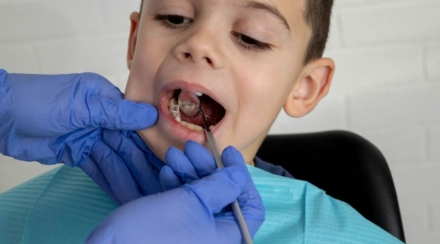
You do not need to wait until your child is a teenager if you are concerned about their bite.
Consider arranging an assessment if:
- Thumb or finger sucking is continuing as permanent teeth begin to erupt
- There is a visible gap between the upper and lower front teeth
- The front teeth appear to be protruding
- The upper dental arch appears narrow
- Your child has developed a crossbite
- Your child has difficulty biting into foods with their front teeth
- You are unsure whether changes in the bite are likely to correct naturally
NZAO recommends an initial orthodontic assessment at around eight years of age, but children can be assessed earlier where there is a specific concern.
Stopping the Habit Is Often the First Step
The good news for parents is that a thumb-sucking open bite does not automatically mean a child needs braces. When the habit stops early enough, the developing teeth and bite may improve naturally. A period of monitoring may therefore be all that is required initially.
If the open bite persists, an orthodontist can assess whether treatment is necessary and what approach is most appropriate.
The key is to establish whether the habit is still active, understand what has caused the open bite, and allow enough time to see what changes naturally before intervening unnecessarily.
If you are concerned about your child’s bite or a persistent thumb-sucking habit, you can find a registered specialist orthodontist near you through Orthodontics New Zealand.
Frequently Asked Questions
There is no single age that applies to every child, but the risk of lasting orthodontic changes becomes more relevant when the habit continues as the permanent teeth begin to erupt. The stage of dental development is therefore more important than a particular birthday.
There is no reliable timeframe that applies to every child. Some improvement may occur as the teeth continue to erupt, while other open bites may persist.
It can persist, particularly when the habit continues as the permanent teeth and bite become established. However, whether an open bite will remain depends on the child’s dental development, jaw growth, and the nature of the habit.
No. The effects of a sucking habit depend on factors including its duration, frequency and the position of the thumb or fingers.
In some children, yes. An orthodontist may recommend monitoring the bite to see whether natural improvement occurs. Whether waiting is appropriate depends on the child’s age, stage of dental development and the severity and cause of the open bite.
Yes. Open bites can also be influenced by the child’s underlying jaw growth and other developmental or functional factors. This is why specialist assessment is useful when an open bite persists.
No. In New Zealand, parents can contact a registered specialist orthodontist directly if they are concerned about their child’s teeth, bite or jaw development.
This guide summarises clinical information published by peer-reviewed sources and professional orthodontic and pediatric dental bodies. It isn’t a substitute for individual advice. See a specialist orthodontist or your child’s dentist for concerns about your child’s bite.