Severe dental crowding is one of the more common problems a specialist orthodontist manages. It goes well beyond the appearance of crooked teeth. When there is not enough space in the jaw for the teeth to sit properly, the effects on oral hygiene, bite function, and long-term dental health can be significant. The good news is that several effective treatment pathways exist, and outcomes are generally very good when the right approach is chosen for the right case.
This guide explains what severe crowding is, how it differs from milder presentations, and what your treatment options are from straightforward braces through to surgical intervention.
NZAO’s specialist expertise: All NZAO members are registered specialist orthodontists with two to three years of full-time postgraduate training beyond their dental degree. Severe crowding cases require precisely this level of diagnostic experience and clinical skill.
What Severe Crowding Actually Means
Crowding occurs when the total width of the teeth exceeds the space available in the jaw. Orthodontists measure this as arch length deficiency. Classification systems vary, but a widely used framework describes mild crowding as 1 to 3 mm of discrepancy, moderate as 4 to 8 mm, and severe as greater than 8 to 9 mm. The further into the severe range, the fewer treatment options are available without some form of space creation.
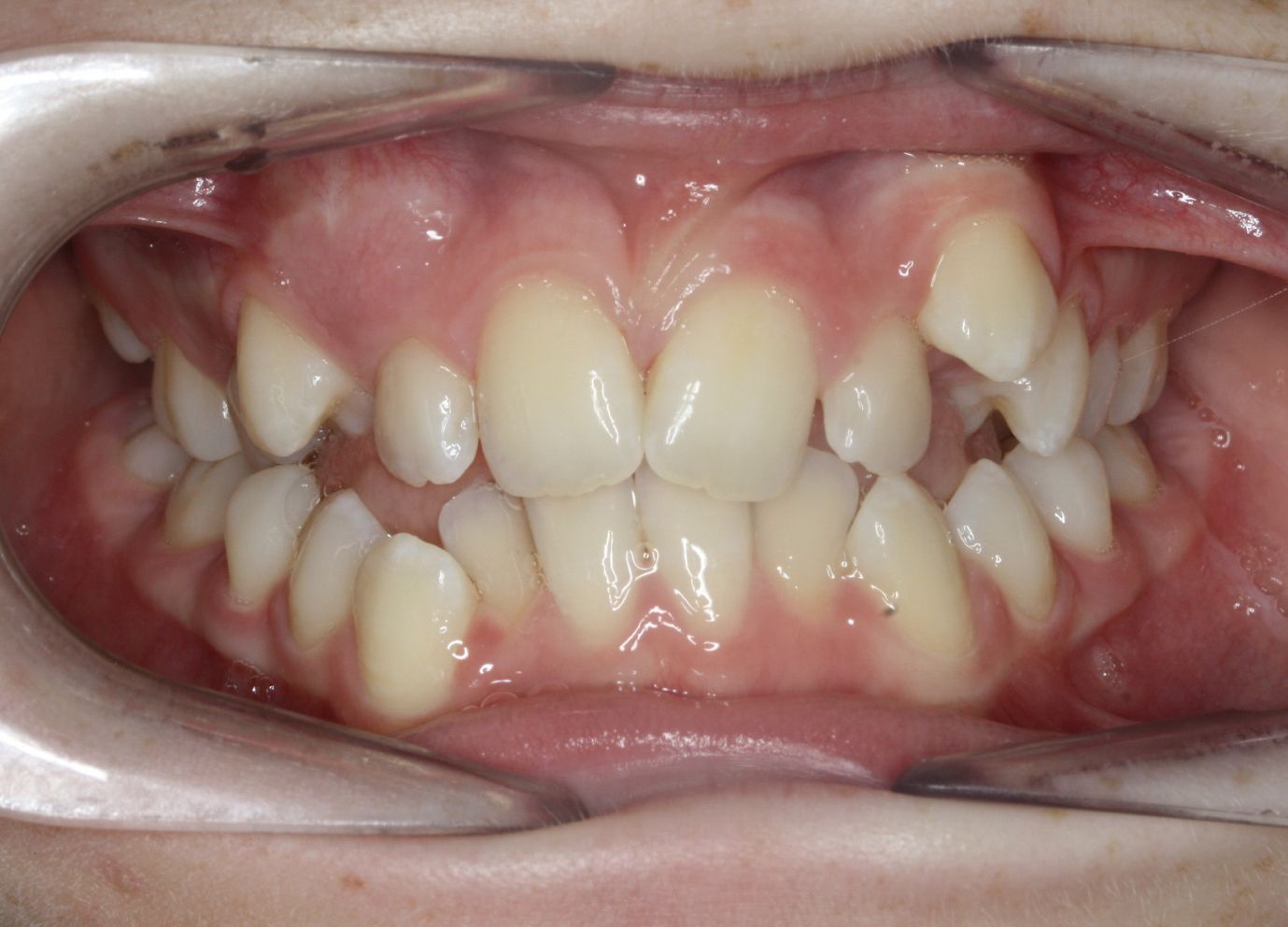
Dental crowding is very common. Research suggests a prevalence of 30 to 60% across populations, though severe cases represent a smaller subset.
How severe crowding differs from mild cases
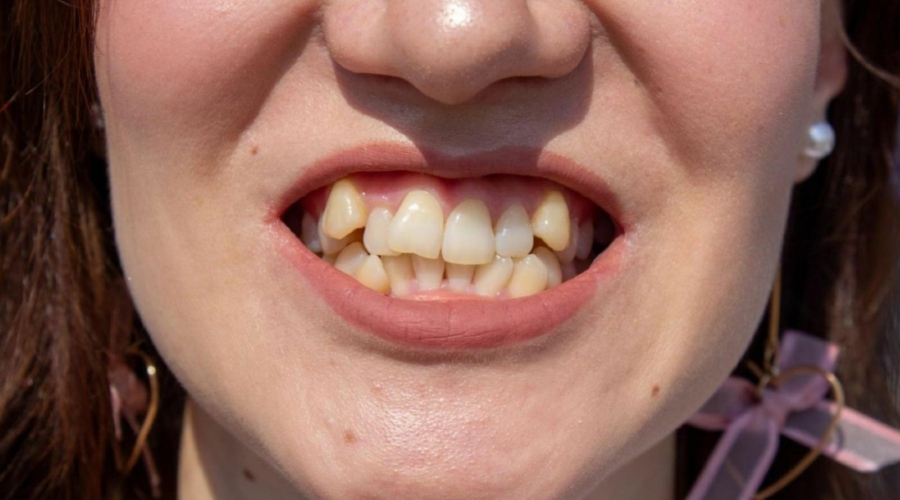
In mild crowding, some teeth are slightly rotated or sit out of line, but most surfaces remain accessible for cleaning and the bite is reasonably functional. Severe crowding is a different matter. Multiple teeth overlap and rotate significantly, bite surfaces meet unevenly, and effective brushing and flossing becomes genuinely difficult in the affected areas. Plaque can accumulate in inaccessible pockets if significant care is not taken with oral hygiene. Over time, uneven bite forces can contribute to excessive tooth wear.
There is also a well-being dimension. Research consistently finds a significant association between severe crowding and self-consciousness, with many patients avoiding photographs or covering their mouths in social situations. These are not vanity concerns; they reflect real quality-of-life impacts that treatment can address alongside the clinical ones.
Treatment Options for Severe Crowding
Fixed braces
Traditional metal braces remain the most reliable tool for severe crowding. Metal brackets bond to each tooth and are connected by an archwire, which the orthodontist adjusts regularly to apply controlled, progressive force. No other system offers the same degree of three-dimensional control over tooth position, root angulation, and space closure. For severe cases, particularly those requiring tooth extractions to create space, fixed braces are usually the treatment of choice.
Treatment for severe crowding typically takes 24 to 36 months. Appointments occur every four to eight weeks. Metal braces also tend to be the most cost-effective treatment option.
Ceramic braces
Ceramic braces work on exactly the same mechanical principles as metal braces, but use clear or tooth-coloured brackets that blend with the enamel. They suit adults and older teens who want the precision of fixed treatment without the metallic appearance. Treatment duration is comparable to metal braces for equivalent cases, though costs are somewhat higher. Ceramic brackets are more susceptible to staining from coffee, tea, and certain foods, and require slightly more care.
Lingual braces
Lingual braces attach to the inner (tongue-side) surfaces of the teeth and are completely invisible from the front. They offer full orthodontic control and can treat severe crowding effectively. Initial adjustment to the appliance takes a few weeks, during which patients may notice some tongue discomfort and a temporary change in speech. Lingual braces are the most expensive fixed option and require a specialist with specific training in lingual systems.
Clear aligners
Clear aligners handle mild to moderate crowding well. For severe cases, their role is more limited. Aligners are less effective than fixed braces for significant rotations, large space closure after extractions, and precise root positioning. Some severe cases can be managed with aligners, particularly when combined with additional tools such as attachments, but a specialist assessment is essential before assuming aligners are appropriate for a complex presentation.
Advanced Techniques for Creating Space
Palatal expanders
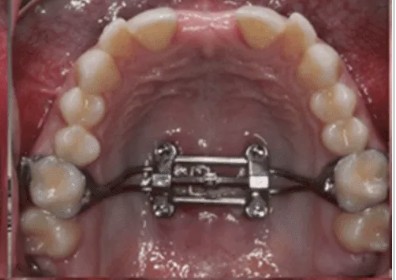
In growing patients, widening the upper jaw can gain additional space in the upper dental arch. Rapid palatal expansion works by gradually separating the two halves of the upper jawbone, increasing arch width and creating additional room for the teeth. Miniscrew-assisted rapid maxillary expansion (MARPE) achieves this more predictably in older adolescents and some adults, where the palatal suture is less responsive to conventional expanders. Expansion typically takes two to three months in children and up to a year in teenagers or adults. The appliance sits in the roof of the mouth and is activated incrementally using a small key.
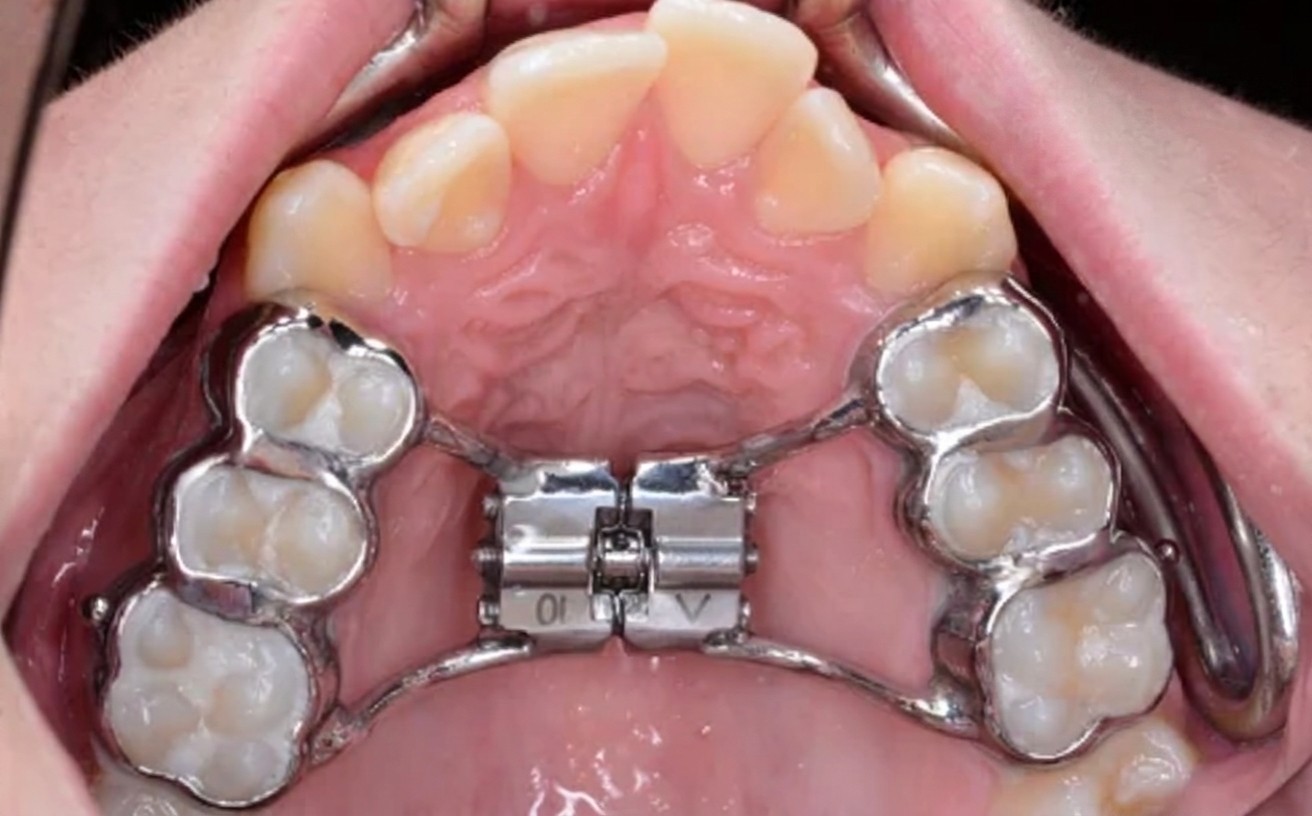
Temporary anchorage devices (TADs)
TADs are small titanium mini-screws placed temporarily in the jawbone to provide a fixed anchor point for tooth movement. They allow orthodontists to move teeth in directions and magnitudes that would be difficult or impossible to achieve with conventional braces alone. For severe crowding, TADs are particularly useful for retracting a group of teeth after extractions, maintaining precise anchorage while space is closed.
The evidence: Studies consistently report TAD success rates of 80 to 97%, depending on placement location, design, and patient factors. Palatal placements tend to show the highest stability. However, excellent oral hygiene needs to be maintained to achieve this level of success.
TADs are placed under local anaesthetic and are generally well tolerated. They are removed once they have served their mechanical purpose.
Extraction of teeth
Strategic removal of specific teeth, most commonly first or second premolars, is sometimes necessary to create the space needed to align the remaining teeth properly. Extraction is not a shortcut; it is a clinically sound approach for cases where the arch simply cannot accommodate all the teeth, even with expansion. The decision requires careful analysis of the facial profile, the degree of crowding, the bite relationship, and the patient’s growth status. An NZAO specialist will explain clearly whether extraction is indicated and why.
Surgical orthodontics
When severe crowding is driven by an underlying skeletal discrepancy, such as a jaw that is simply too small to accommodate the teeth, orthodontic treatment alone will not resolve the problem fully. Orthognathic surgery, performed by an oral and maxillofacial surgeon in collaboration with a specialist orthodontist, can reposition the jaw to create the correct skeletal foundation.
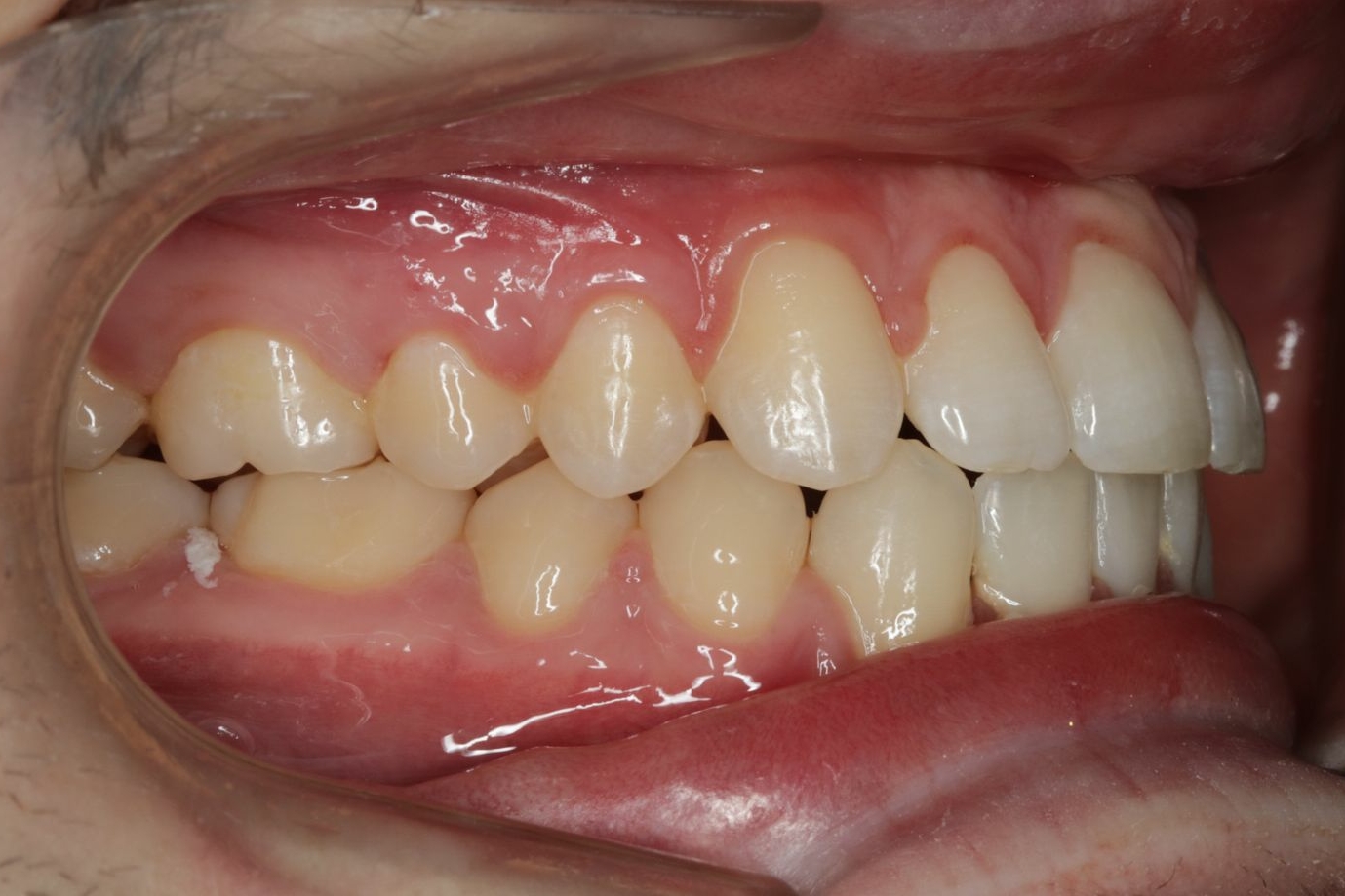
Surgery is considered only once jaw growth is complete and after careful joint planning between the surgical and orthodontic teams. Most combined cases span two to three years in total.
Retention After Treatment
Treatment completion is not the end of the process. Teeth have a natural tendency to drift back toward their original positions, driven by the surrounding gum fibres, bone remodelling, and any ongoing growth. Without proper retention, some relapse is almost certain.
Why retention matters: Research shows that only 30 to 50% of patients maintain satisfactory alignment 10 years after treatment without proper retention protocols. This drops further over 20 years.
Fixed retainers, bonded to the inner surfaces of the front teeth, provide continuous passive support and are particularly important in the lower anterior region where relapse rates are highest. Removable retainers, worn at night, complement fixed retention and protect against undetected retainer breakage. Most specialists recommend a dual approach combining both.
Retainers are a long-term commitment. Night-time wear is typically recommended indefinitely, not just for a few months after treatment.
Frequently Asked Questions About Severe Crowding
Sometimes, but not always. Whether extractions are needed depends on the degree of crowding, the size of the jaws, the facial profile, and growth potential. In growing patients, expansion techniques can often create enough space to avoid extractions. In adults with significant arch length deficiency, extraction is frequently the more stable and appropriate solution. Your specialist will present the options for your specific case with clear reasoning.
For severe crowding, comprehensive treatment typically takes 24 to 36 months with fixed braces. Cases involving expansion, TADs, or surgical phases may fall outside this range in either direction. Your specialist will give a realistic estimate at the planning stage based on your records.
Some degree of movement over time is normal for almost everyone, regardless of how well treatment went. The risk is substantially reduced by consistent retainer wear. Fixed retainers bonded to the teeth provide passive, continuous support. Patients who wear their removable retainers as directed tend to maintain their results well long-term. Those who stop wearing retainers are at meaningful risk of relapse.
No. Severely crowded teeth are harder to clean, which raises the risk of decay and gum disease in the affected areas. Irregular bite forces contribute to uneven tooth wear and can place strain on the jaw joints over time. The cosmetic dimension is real and valid, but the functional and health case for treatment stands independently of appearance.
Assessment should happen early, ideally by age 8 or 9. This does not mean treatment necessarily begins then, but early review allows a specialist to identify cases where intervention during the growth window (typically ages 9 to 14) will deliver better outcomes than waiting. For adults, treatment is effective at any age, though skeletal options such as palatal expansion are more limited once growth is complete.
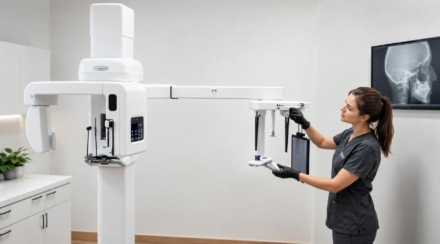
Dental malocclusion means the teeth are in the wrong position, but the jawbones sit in a normal relationship to each other. Skeletal malocclusion means the jaws themselves are disproportionate in size or position. The distinction matters because the treatment differs. Dental problems can usually be corrected through tooth movement alone. Skeletal problems in growing patients may respond to appliances that influence jaw development; in adults, significant skeletal discrepancies often require surgery. A specialist orthodontist identifies which type you have through clinical records and X-rays, not just a visual check of the teeth.
Class II and Class III describe opposite jaw relationships. In a Class II bite, the upper jaw or teeth sit too far forward relative to the lower jaw, commonly called an overjet (sometimes confused with an overbite). In a Class III, the lower jaw protrudes beyond the upper, producing an underbite. Class II problems in growing patients are often managed with functional appliances or braces with elastics. Class III problems tend to have a stronger genetic component and more frequently require surgery in adults. Both can range from mild cases treatable with braces or aligners through to significant skeletal discrepancies where surgery is the more appropriate path.
Why Specialist Assessment Matters
The range of techniques available for severe crowding is wide, and choosing between them requires experience. The same degree of crowding in two different patients may call for entirely different approaches depending on the facial profile, jaw relationship, growth status, oral health, and the patient’s own priorities. Getting this assessment wrong has consequences: insufficient space creation leads to relapse; unnecessary extractions can alter facial balance; poorly timed expansion is less effective and less stable.
NZAO members bring the diagnostic depth and clinical experience to make these judgements accurately. A general dentist offering orthodontic treatment may manage straightforward cases well, but severe crowding sits firmly within specialist territory.
References
- Nerurkar S et al. Non-extraction Orthodontic Treatment Protocol of Moderate Crowding. Cureus, 2023. https://www.ncbi.nlm.nih.gov/pmc/articles/PMC10181896/
- Lombardo G et al. Worldwide prevalence of malocclusion in the different stages of dentition: A systematic review and meta-analysis. Eur J Paediatr Dent, 2020. https://pubmed.ncbi.nlm.nih.gov/32567942/
- Costalos PA et al. Scoping Review: Characteristics and Success-Failure Rates of Temporary Anchorage Devices in Orthodontics. PMC, 2022. https://www.ncbi.nlm.nih.gov/pmc/articles/PMC9139455/
- Schaetzle M et al. Survival and failure rates of orthodontic temporary anchorage devices: a systematic review. PubMed, 2009. https://pubmed.ncbi.nlm.nih.gov/19793320/
- New Zealand Association of Orthodontists. About NZAO. https://www.orthodontists.org.nz/members/about-nzao/
© New Zealand Association of Orthodontists (NZAO) | orthodontists.org.nz | This article is provided for public education and does not constitute individual clinical advice. Please consult a registered specialist orthodontist for assessment and treatment recommendations.