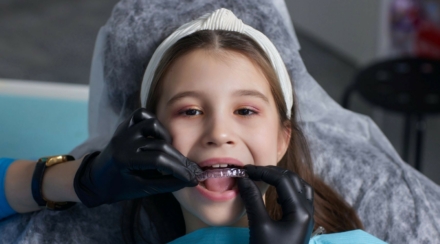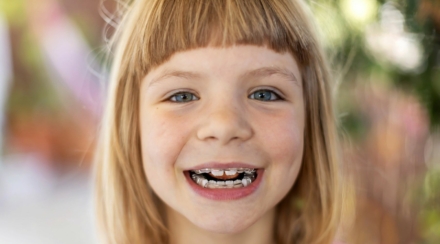

Most people associate orthodontic treatment with the teenage years. So, when a specialist orthodontist recommends treatment for a younger child who still has some baby teeth, parents understandably want to know why.
The first thing to understand is that early orthodontic treatment is not necessary for every child. In fact, many children who see us when they are young do not need treatment straight away. Your orthodontist may simply monitor how their permanent teeth erupt and how their jaws develop, then begin treatment later when the timing is right.
For a smaller group of children, however, there can be a genuine advantage in addressing a particular orthodontic problem while the teeth and jaws are still developing.
The reason we at Orthodontics New Zealand recommend early treatment in these cases is not to straighten every tooth sooner. It is to deal with a specific problem at a stage when treatment may be more effective, more straightforward, or able to prevent the problem from becoming more difficult to manage.
Early Assessment Does Not Mean Early Treatment
Children should have an initial assessment with a registered specialist orthodontist at around eight years of age.
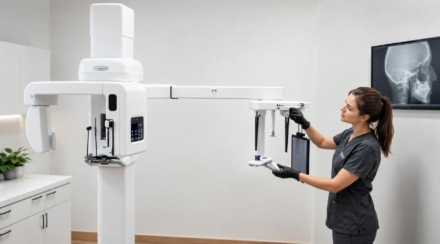
At this stage, most children have a mixture of baby and permanent teeth. That gives us an opportunity to assess how the permanent teeth are developing, whether there is enough space for them, how the upper and lower jaws relate to one another, and how the bite is forming.
However, an early assessment does not mean every child needs early treatment. For many children, the most appropriate recommendation following that first assessment is simply: “We will keep an eye on it.”
That distinction is important. Seeing an orthodontist early gives us the opportunity to recognise a developing problem. It does not create a reason to treat one.
Why Can Timing Matter in Orthodontics?
Children are not simply smaller versions of adults. Their mouths are continually changing.
Baby teeth are being lost, permanent teeth are moving into place, and the bones of the face and jaws are still developing. Some orthodontic problems can therefore be managed differently during childhood than they can once growth is further advanced.
The American Association of Orthodontists describes the purpose of appropriately selected early treatment as addressing a developing problem while some baby teeth are still present, rather than rushing a child into full braces.
The British Orthodontic Society takes an equally important position. It notes that most children begin orthodontic treatment once the permanent teeth have erupted, usually around 12 or 13, and that only a minority of problems are better treated earlier.
In other words, earlier is not automatically better. The right timing depends on the problem.
Which Problems May Benefit From Earlier Treatment?
There is no single checklist that determines whether a child needs early treatment. We look at the whole developing bite and decide whether intervening now offers a meaningful advantage over waiting.
Problems that may warrant earlier assessment or treatment include:
- Crossbites, particularly when the lower jaw shifts to one side as the child bites
- Underbites or other significant discrepancies between the upper and lower jaws
- Permanent teeth that are not erupting normally or appear to be becoming impacted
- Significant loss of space for developing permanent teeth
- Severe crowding in selected cases
- Very prominent upper front teeth where there is concern about injury
- Persistent thumb or finger sucking that is affecting the bite
- Other developing bite problems where waiting may reduce the available treatment options
These are examples rather than automatic indications for treatment. Two kids can appear to have a similar bite but require completely different approaches because of differences in growth, tooth development, severity and underlying cause.
Why Are Some Crossbites Treated Early?
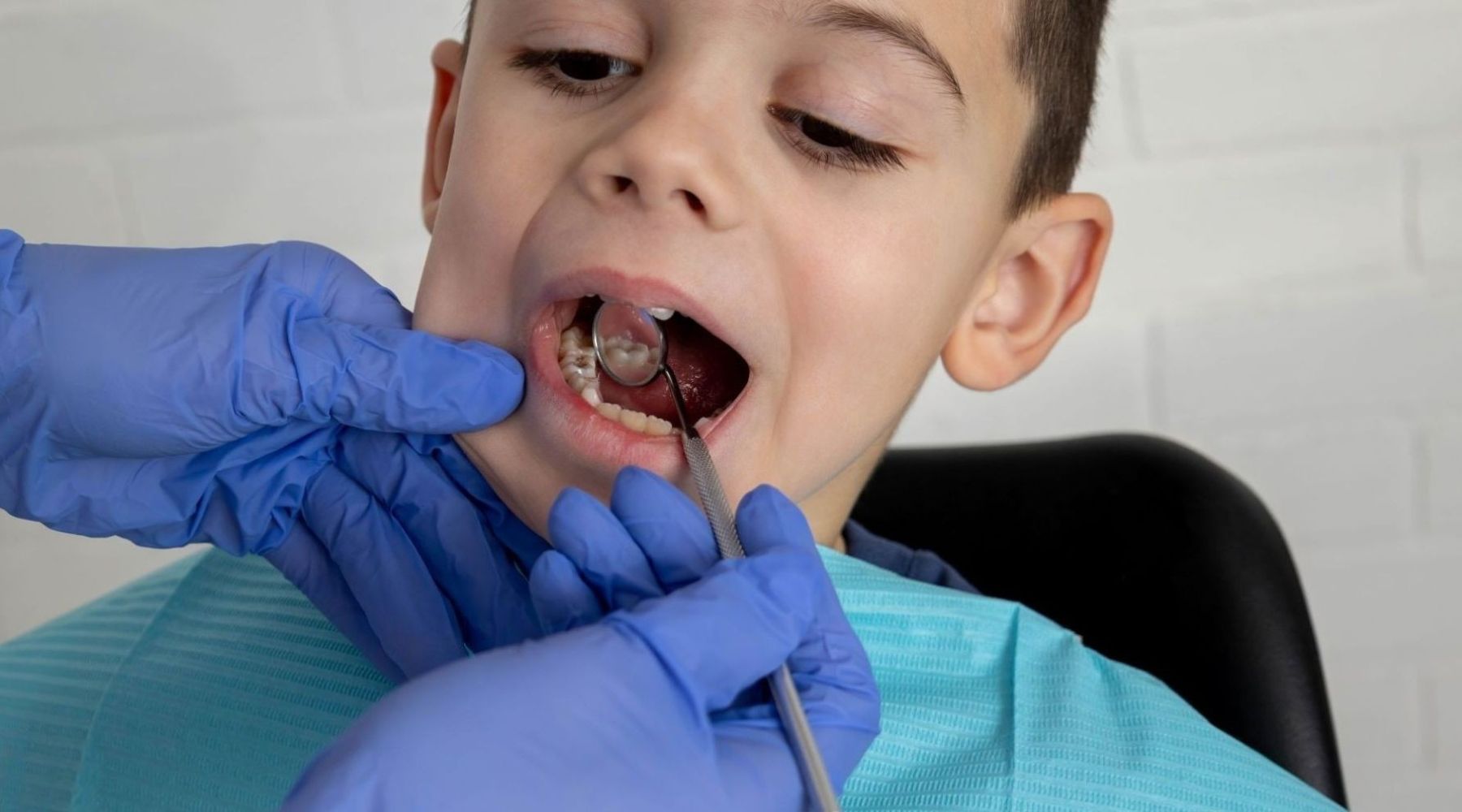
Crossbites are a good example of why timing can sometimes matter. In a functional posterior crossbite, the upper dental arch may be too narrow for the lower teeth to fit normally. This can cause a child to shift their lower jaw to one side when they close their teeth together.
Clinical evidence supports the effectiveness of orthodontic treatment for posterior crossbites in children, although the quality of evidence differs depending on the appliance and outcome being considered. That is why an orthodontist may recommend addressing a functional crossbite rather than simply waiting for all of the adult teeth to appear.
What About Prominent Front Teeth?
Parents may reasonably think that if the teeth are prominent at age eight or nine, starting treatment immediately must produce a better final result. The clinical evidence does not support that as a general rule.
A systematic review comparing early two-phase treatment with treatment begun in adolescence found no meaningful difference in the final correction of prominent upper front teeth once both groups had completed treatment. However, early treatment did reduce the incidence of new injuries to the front teeth.
This means there may be good reasons to treat some children earlier, particularly when the front teeth are very prominent and vulnerable to trauma. But it does not mean that every child with an increased overjet should automatically receive two phases of treatment.
One should consider the individual child’s risk, the severity of the problem and whether the benefits of starting earlier outweigh the additional treatment time and burden.
Can Early Treatment Make Later Treatment Easier?
Sometimes. Early treatment may be used to correct a specific bite problem, improve the position or eruption path of developing teeth, manage space, or address a jaw relationship at a useful stage of growth.
In those circumstances, early intervention may reduce the severity of a developing problem or make later comprehensive treatment more predictable. However, parents should be cautious about assuming that early treatment will always eliminate the need for braces later.
Why Might We Recommend Waiting?
Knowing when not to treat is just as important as knowing when to intervene. There are many orthodontic problems that are better managed once more permanent teeth have appeared, or when a child has reached a more appropriate stage of growth.
Starting too early may expose a child to a longer overall period of orthodontic treatment without providing a better final outcome. This is why monitoring can be an important part of specialist orthodontic care.
If your orthodontist recommends reviewing your child again in six months, a year, or at another stage of dental development, they are not ignoring the problem. They are watching how the teeth erupt and how the jaws grow so that, if treatment becomes necessary, it can begin at the most useful time.
What Does Early Orthodontic Treatment Involve?
There is no single type of “early orthodontic treatment”.
Depending on the problem, treatment may involve an expansion appliance, a removable appliance, limited fixed braces, management of baby teeth and eruption space, or another appliance designed to achieve a particular objective.
What matters is the problem being treated and why it needs treatment now.
How to Decide Whether to Treat Now or Later?
As specialist orthodontists, we do not make this decision based on age alone.
We consider:
- Your child’s stage of dental development
- Which permanent teeth have erupted and which are still developing
- How much space is available for the permanent teeth
- How the upper and lower teeth meet
- Whether the jaw shifts when your child bites
- The relationship between the upper and lower jaws
- Your child’s facial and jaw growth
- Whether a problem is stable, improving or becoming more pronounced
- Whether delaying treatment is likely to make correction more difficult
- The likely benefit of treatment compared with the additional burden of starting early
This is why specialist diagnosis matters. Early orthodontic treatment should have a clear clinical objective rather than being undertaken simply because treatment is possible.
The Goal Is the Right Treatment at the Right Time
Early orthodontic treatment has an important place in the care of some children.
An early assessment allows us to identify problems while your child’s teeth and jaws are developing. Sometimes that means recommending treatment. Often it means monitoring development and waiting. In other cases, it provides reassurance that everything is progressing normally.
Our aim as specialist orthodontists is not to start treatment as early as possible. It is to identify the right treatment, for the right child, at the right time.
If you are concerned about your child’s teeth, bite or jaw development, you do not need to wait for a referral. You can arrange an assessment directly with a registered specialist orthodontist through Orthodontics New Zealand.
Frequently Asked Questions About Early Intervention
There is no single best age for every child. The right time depends on the orthodontic problem, which teeth have erupted, and how the jaws are developing. Some children benefit from treatment while they still have a mixture of baby and permanent teeth, while others are better treated later once more of the permanent teeth have come through. This is why an early orthodontic assessment can be useful even when treatment does not start straight away.
Not automatically. Some specific problems are better managed during childhood, while many others are treated just as effectively, or more efficiently, later. The decision should be based on the diagnosis and your child’s stage of development rather than age alone.
Not necessarily. Some kids who undergo early treatment will still need a later phase of comprehensive orthodontic treatment once their permanent teeth have erupted. Early treatment is often intended to correct one particular developmental problem rather than complete the child’s entire orthodontic treatment.
In some situations, identifying an abnormal eruption path or loss of space early gives an orthodontist options to manage the developing teeth before the problem becomes more complicated. Whether treatment is appropriate depends on which tooth is involved and the individual child’s development.
Yes, in selected cases. Early orthodontic treatment can be carried out while a child still has some baby teeth if there is a specific problem that is better managed at that stage of development. This might include certain crossbites, eruption problems, significant space loss, or some jaw and bite discrepancies. However, most children do not need comprehensive orthodontic treatment before all, or most, of their permanent teeth have erupted.
Some crossbites cause the lower jaw to shift when a child bites. Evidence supports orthodontic correction of posterior crossbites during childhood, although the choice of treatment depends on the individual problem.
Some orthodontic treatments are timed to make use of a child’s remaining growth when managing certain jaw and bite relationships. However, the effect depends on the type of problem, the treatment used, the child’s stage of growth, and their individual growth pattern. Early treatment should not be described as a way to simply “control” or permanently redirect jaw growth in every child.
Monitoring means your orthodontist will review your child’s tooth eruption, bite and growth over time and recommend treatment if and when there is a clear advantage to starting. For many children, this is the most appropriate outcome of an early assessment.
© New Zealand Association of Orthodontists (NZAO) | orthodontists.org.nz | This article is provided for public education and does not constitute individual clinical advice. Please consult a registered specialist orthodontist for assessment and treatment recommendations.