If your child has been referred to an orthodontist while they still have baby teeth, you may hear terms such as interceptive orthodontics or early orthodontic treatment.
In simple terms, interceptive orthodontics is early, focused orthodontic treatment for selected children whose teeth or bite are still developing. It is not the same as full braces; it is used only when treating a specific problem early is likely to provide a meaningful clinical benefit.
For most children, an early orthodontic assessment leads to monitoring rather than treatment. Interceptive treatment is reserved for situations where we believe there is a worthwhile advantage to addressing a developing problem now rather than waiting.
What Does Interceptive Orthodontics Mean?
Interceptive treatment is orthodontic treatment that begins while some baby teeth are still present. Its purpose is to identify and, where appropriate, address a developing orthodontic problem rather than rushing children into comprehensive braces.
The American Association of Orthodontists has defined interceptive orthodontics as treatment undertaken in the primary or transitional dentition during the early stages of a developing problem, with the intention of reducing the severity of the malocclusion or addressing its cause.
For us, the most useful way to think about interceptive orthodontics is: a focused treatment with a specific developmental objective.
How Is Interceptive Orthodontics Different From Regular Braces?
Comprehensive orthodontic treatment usually takes place when most or all permanent teeth have erupted. The aim may include aligning the teeth, correcting the bite and achieving the final position of the permanent dentition.
Interceptive orthodontics is different. We are usually trying to correct or reduce one particular developing problem, rather than complete every aspect of the child’s orthodontic treatment.
For example, treatment might be aimed at correcting a crossbite, managing space for an erupting permanent tooth, or addressing a developing bite problem. This means a child who has interceptive treatment may still need braces or clear aligners later.
Early treatment should not automatically be interpreted as a way to avoid future orthodontic treatment.
Who Actually Needs Interceptive Orthodontics?
This is the most important question. Far more children benefit from an early orthodontic assessment than actually need early orthodontic treatment.
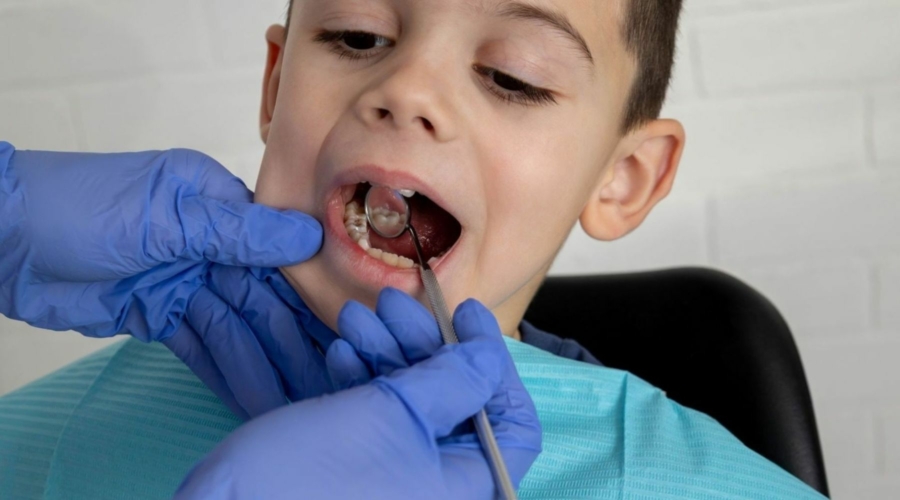
The NZAO recommends an initial orthodontic assessment at around eight years of age. At this stage, most children have a mixture of baby and permanent teeth, which allows us to assess tooth eruption, available space, the developing bite and jaw relationships.
An assessment does not mean treatment will begin. We recommend interceptive treatment only where there is a clear clinical reason to act.
What Problems Can Interceptive Orthodontics Address?
Depending on the individual child, interceptive treatment may be considered for problems such as:
- An overbite or posterior crossbite, particularly if the lower jaw shifts when the child bites
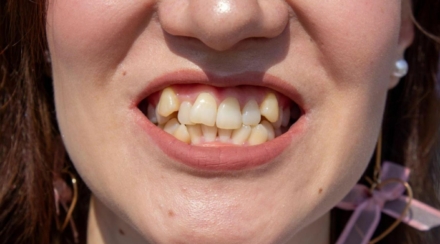
- An underbite or anterior crossbite, where an upper front tooth bites behind a lower tooth
- Abnormal eruption of a permanent tooth
- Significant loss of space for developing permanent teeth
- Selected cases of severe crowding
- Certain developing jaw or bite discrepancies
- Persistent thumb or finger sucking that is affecting the bite
- Some open bites or other bite problems associated with an ongoing oral habit
Guidance on managing dentition recognises crossbites, local eruption problems, crowding, tooth displacement and selected skeletal discrepancies as issues that may require timely assessment or interceptive management.
These are not automatic reasons to begin treatment. The diagnosis, severity, stage of dental development and likely consequences of waiting all matter.
Does Interceptive Orthodontics Prevent Braces Later?
Not necessarily. And this is an important misconception.
If a child has early treatment to correct a crossbite or manage the eruption of a particular tooth, they may still need comprehensive treatment later to align the permanent teeth and complete the bite.
We therefore would not recommend interceptive treatment simply on the basis that it might allow a child to “avoid braces”. The question is whether treating the specific problem now provides a worthwhile clinical benefit.
Can Interceptive Treatment Reduce a Developing Orthodontic Problem?
For some conditions, yes. Posterior crossbite is one of the clearer examples. Correction of posterior crossbite in growing children can be effective, although long-term relapse can occur in a minority of cases.
Not every crossbite requires the same treatment nor should automatically be treated at the same age. Interceptive orthodontics needs to be diagnosis-specific. There are certain developing problems for which treatment during childhood can offer a genuine benefit.
Why Would an Orthodontist Recommend Monitoring Instead?
Because sometimes doing nothing immediately is the best clinical decision. Children’s mouths change considerably as they grow. Baby teeth fall out, permanent teeth erupt, spaces change and the jaws continue to develop.
Some apparent problems resolve or become easier to assess with time. Others are treated more efficiently once additional permanent teeth have erupted. If there is no clear advantage to intervening now, we may recommend review appointments instead.
Monitoring allows us to observe the development of the teeth and bite and begin treatment when there is a stronger reason to do so. Starting treatment simply because it is possible is not good orthodontic care.
Can Interceptive Orthodontics Be Started Too Early?
Yes. Appropriate timing is fundamental to orthodontics. An intervention that is useful at one stage of dental development may provide little benefit if started too soon.
NZAO emphasises the importance of recognising both abnormal development that warrants intervention and normal features of the developing dentition that do not require treatment.
Unnecessary early treatment can also mean a child spends longer overall in orthodontic appliances without improving the final outcome. This is why we assess the likely benefit of treating now against the option of monitoring and treating later.
How Does a Specialist Orthodontist Decide?
We look at much more than whether the teeth appear crooked.
Our assessment may include:
- Which baby and permanent teeth are present
- How the permanent teeth are erupting
- Whether teeth appear to be blocked or displaced
- The space available within the dental arches
- How the upper and lower teeth meet
- Whether the jaw shifts when your child bites
- The relationship between the upper and lower jaws
- Facial and jaw growth
- Oral habits such as thumb or finger sucking
- Whether the developing problem is likely to improve, remain stable or become more difficult to manage
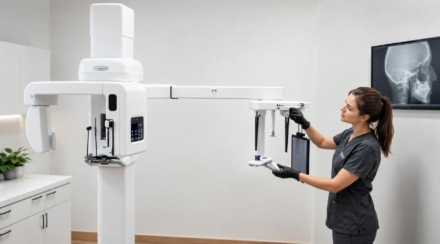
If more information is needed, we may also use photographs, digital scans or X-rays.
Read more about how orthodontists assess a child’s jaw growth and what we can and cannot predict while children are developing.
Interceptive Orthodontics Is for Selected Children
Interceptive orthodontics can be very useful when the right problem is treated at the right stage of development. But not every developing bite needs to be intercepted.
For many children, the best outcome from an early orthodontic assessment is simply a monitoring plan. For others, a focused period of early treatment can address a problem that would be more difficult to manage later.
As specialist orthodontists, our role is to distinguish between the two. If you are concerned about your child’s teeth, bite or jaw development, you can arrange an assessment directly with a registered specialist orthodontist through Orthodontics New Zealand.
Frequently Asked Questions About Interceptive Orthodontics
There is no single age. Interceptive treatment is generally considered while a child still has a mixture of baby and permanent teeth. The child’s stage of dental development and the particular orthodontic problem are more important than their exact age.
The terms are often used interchangeably. Interceptive orthodontics generally refers to early treatment with a specific objective, such as correcting a developing crossbite or managing the eruption of a permanent tooth.
No. Mild or moderate crowding alone does not automatically mean a young child needs treatment. An orthodontist considers how much space is available, which teeth are still developing and whether there is any advantage to intervening before more permanent teeth erupt.
They may. Interceptive treatment usually addresses a specific developmental problem rather than completing the final alignment of all permanent teeth. Some children will therefore require another phase of orthodontic treatment later.
If there is no urgent reason to intervene, your orthodontist may recommend monitoring your child’s development. Review appointments allow us to follow tooth eruption and bite changes and decide whether treatment becomes necessary later.
No. Earlier treatment is only useful when there is a clear advantage to acting at that stage. Many orthodontic problems are treated more efficiently once additional permanent teeth have erupted.
No. In New Zealand, parents can make an appointment directly with a registered specialist orthodontist if they are concerned about their child’s teeth, bite or jaw development.
© New Zealand Association of Orthodontists (NZAO) | orthodontists.org.nz | This article is provided for public education and does not constitute individual clinical advice. Please consult a registered specialist orthodontist for assessment and treatment recommendations.